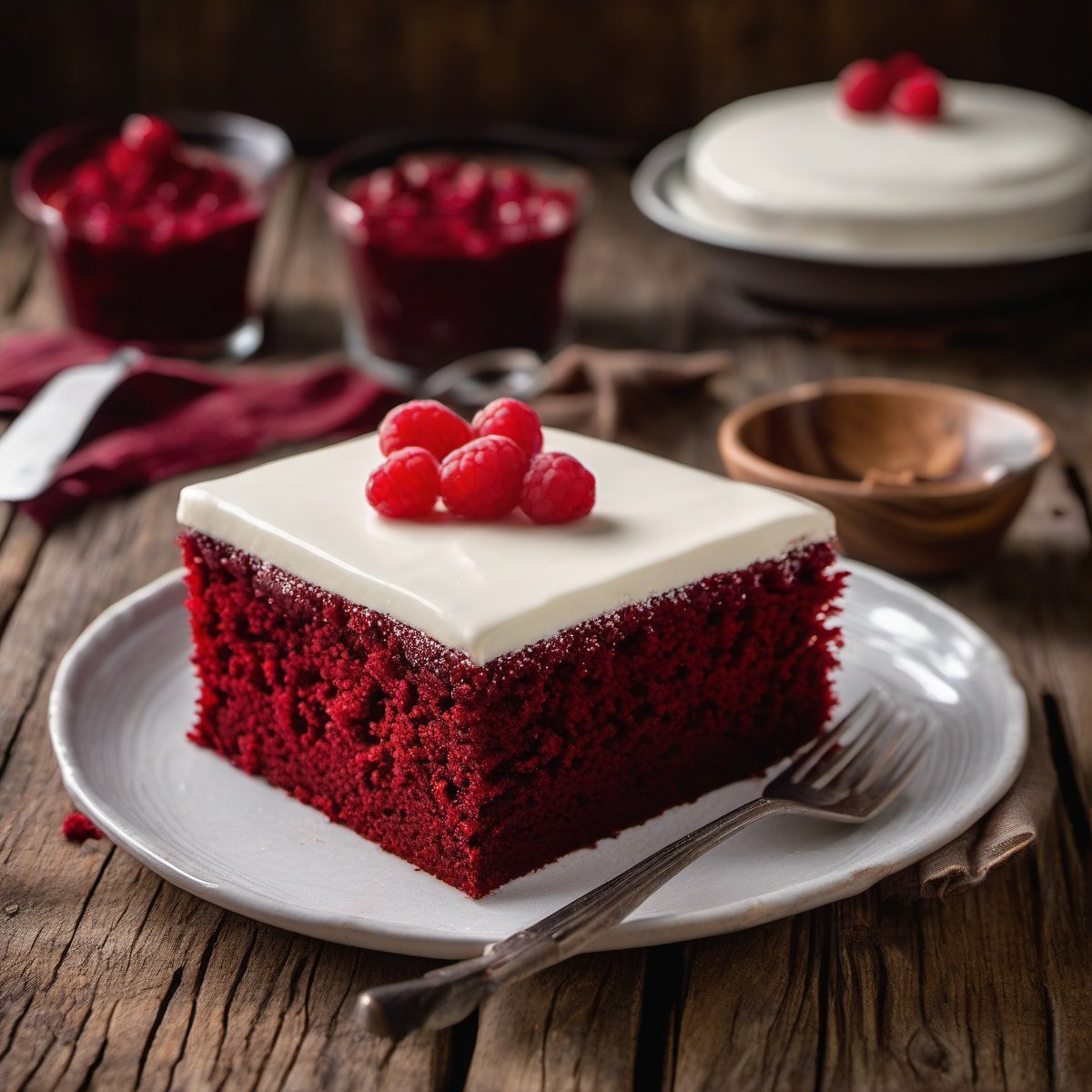
Preheat oven to 350°F (175°C). Grease a 9x13-inch metal baking pan and line the bottom with parchment paper for easy removal. Set aside.
In a large bowl, beat the butter on medium speed until creamy and light yellow in color, about 2 minutes.
Add the sugar gradually while beating, then increase to medium-high speed and beat for another 3-4 minutes until the mixture is very fluffy and pale. You should see air pockets forming — this aeration matters more than most recipes admit.
Beat in eggs one at a time, scraping down the bowl between each addition. Mix in the food coloring gel paste and vanilla extract until evenly distributed throughout the batter.
In a separate medium bowl, whisk together the cake flour and salt. Set aside.
Add half of the dry ingredients to the butter mixture and beat on low speed just until incorporated. Pour in one-third of the buttermilk and mix gently.
Add another third of the dry ingredients, then half of the remaining buttermilk. Continue alternating until all ingredients are used up, ending with the last addition of dry ingredients. The batter should be thick but pourable — not as thin as pancake batter, but not stiff either.
In a small cup, whisk together the baking soda and cream of tartar. Add the vinegar and stir immediately. Pour this mixture into the batter and fold gently with a spatula until just combined. The batter will bubble slightly as the acid reacts — don't overmix at this stage.
Pour the batter into your prepared pan, spreading it evenly to all corners with an offset spatula or butter knife. Tap the pan firmly on the counter 2-3 times to release large air bubbles.
Bake for 28-32 minutes, rotating halfway through if your oven runs hot on one side. The cake is done when the edges pull away slightly from the sides of the pan and a toothpick inserted into the center comes out clean or with just a few moist crumbs clinging to it.
Let the cake cool in the pan for 20 minutes, then carefully remove it onto a wire rack to cool completely. This is important — frosting on a warm cake will melt and slide off entirely.
While the cake cools, make the frosting: Beat the cream cheese until smooth and creamy, about 1 minute. Add the softened butter in pieces and beat on medium-high for 2-3 minutes until very fluffy. Slowly add the sifted powdered sugar, a cup at a time, beating on low speed to avoid a cloud of sugar dust.
Add the salt and vanilla extract and beat on high speed for another 2-3 minutes until the frosting is silky and smooth. If it's too thick, add 1-2 tablespoons milk; if too thin, add more sifted powdered sugar by the tablespoon.
Frost the completely cooled cake with an offset spatula or bench scraper. Start at one edge and work your way around for even coverage. The frosting should be about ¼ inch thick — generous but not overwhelming.
Let the frosting set for at least 15 minutes before cutting into slices. Sprinkle with red velvet crumbs if desired, pressing gently so they stick to the surface.