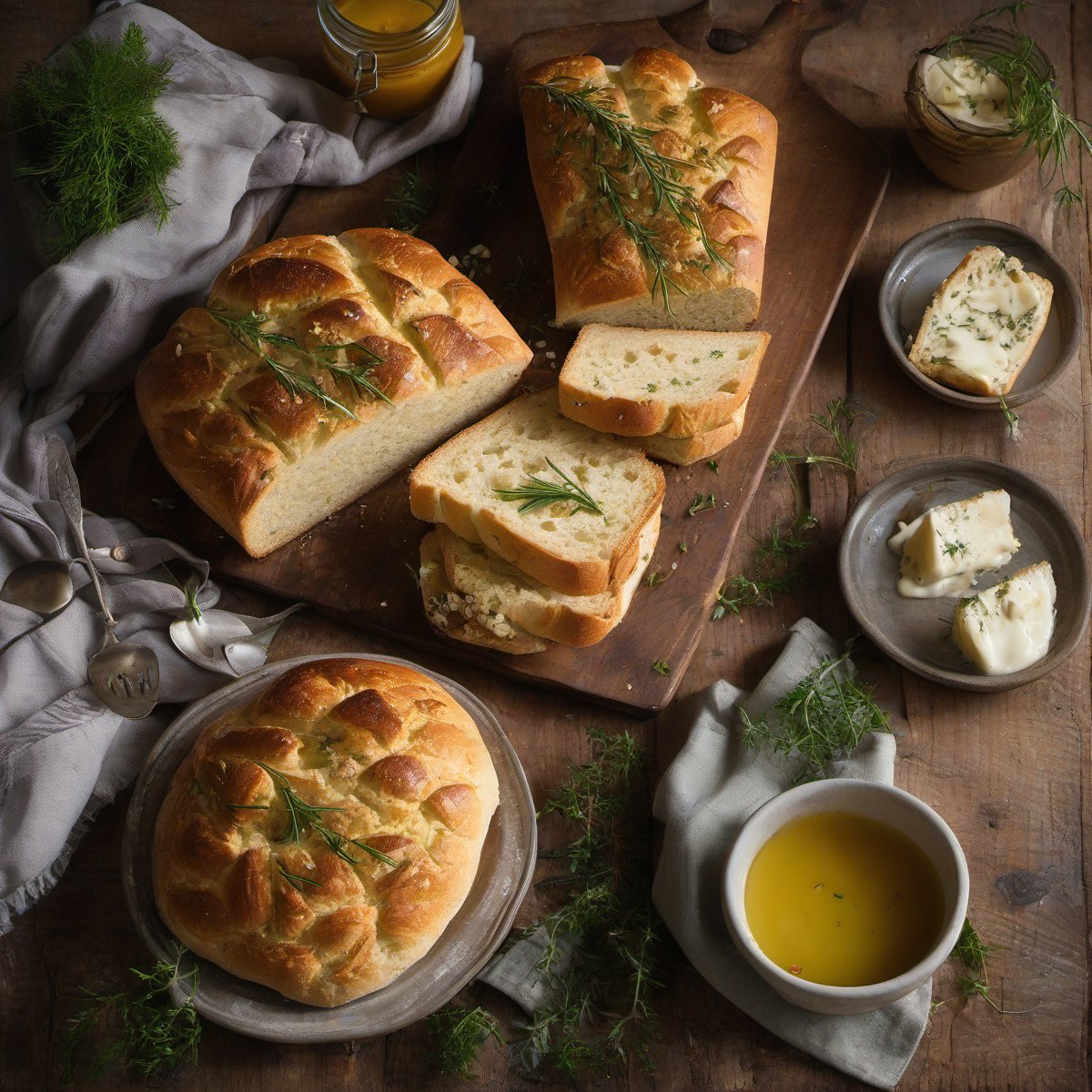
Ingredients
Method
- Activate the yeast: In a small bowl, combine warm water and sugar. Sprinkle yeast on top and let sit for 5 minutes until foamy. If it doesn't bubble after this time, start over with fresh yeast.
- Mix the dough: In a large bowl (or stand mixer), whisk together flour and salt. Make a well in the center and pour in the yeast mixture plus olive oil. Stir with a wooden spoon or mix on low until shaggy dough forms.
- Knead: Turn dough onto a lightly floured surface and knead for 6-8 minutes by hand (or use a stand mixer with a dough hook on medium-low for about 5 minutes). The dough is ready when it's smooth, elastic, and springs back slightly when poked.
- First rise: Lightly oil a clean bowl, place dough inside, and turn to coat. Cover with a damp kitchen towel or plastic wrap. Let rise in a warm spot for 1-2 hours until nearly doubled in size. Don't rush this step — the flavor develops during the long rest.
- Shape: Punch down the dough gently and divide into two equal portions (or keep as one large loaf). Shape each portion into a round or oval, tucking the edges underneath for a smooth top. Place on a parchment-lined baking sheet, seam-side down.
- Second rise: Cover loaves loosely and let rest for 30-45 minutes until puffy. They should look noticeably lighter when you lightly press them — they'll spring back slowly rather than immediately.
- Prepare the topping: Whisk together egg white and chopped dill in a small bowl. This is your binder — brush it generously over the tops of both loaves, then sprinkle with coarse salt evenly.
- Score (optional): Use a sharp knife to make 2-3 shallow slashes across each loaf for a professional look. Don't press too deep or you'll deflate the bread.
- Bake: Preheat oven to 400°F (200°C) before step 7 if possible — you want it hot when the loaves go in. Bake for 30-35 minutes until deeply golden brown and an instant-read thermometer reads 190°F (88°C) at the center of each loaf.
- Cool: Transfer to a wire rack. Resist the urge to cut into them immediately — let cool for at least 20 minutes so the interior sets properly. The crust should sound hollow when tapped on the bottom.
Nutrition
Notes
Dill: Fresh dill is worth seeking out — the flavor difference from dried is noticeable. If you only have dried, use 1 tablespoon instead of ¼ cup fresh.
Storage: Wrap cooled bread in a clean kitchen towel and keep at room temperature for up to 3 days. For longer storage, slice and freeze — it reheats beautifully in a 350°F oven for about 10 minutes.
Serving suggestion: Serve with good olive oil and flaky sea salt for dipping, or alongside soups and roasted vegetables. The dill flavor pairs especially well with tomato-based dishes.