Ingredients
Method
- Prepare the fish: Place chopped whitefish and pike in a large bowl. Add egg whites, matzo meal, salt, and pepper. Mix thoroughly with your hands until the mixture becomes sticky and holds together when pressed. The texture should be paste-like but not mushy — about 2 minutes of mixing by hand.
- Shape the fishballs: Wet your hands with cold water to prevent sticking. Form the mixture into oval-shaped balls, approximately 3 inches long (about ½ cup each). You'll make roughly 6-8 balls depending on how large you shape them. Place them on a plate and refrigerate for 15 minutes while you prepare the broth — this helps them hold their shape during cooking.
- Prepare the pot: In a large, heavy-bottomed stockpot (at least 5-quart capacity), combine water, onion halves, carrot rounds, bay leaves, sugar, vinegar, and salt. Bring to a gentle simmer over medium-high heat until bubbles begin to form around the edges.
- Cook slowly: Carefully lower each fishball into the hot broth using a slotted spoon or tongs. Once all are in place, reduce heat to low-medium-low — you want barely a shimmer on the surface, never a rolling boil. Simmer gently for 1½ hours without moving them. After about 45 minutes, carefully turn each ball over once with your spoon; they'll be firm enough now to handle without breaking.
- Cool in broth: Turn off heat and let fishballs cool completely in the cooking liquid — this takes at least 2-3 hours, though overnight is ideal. The fish will continue absorbing flavor as it cools.
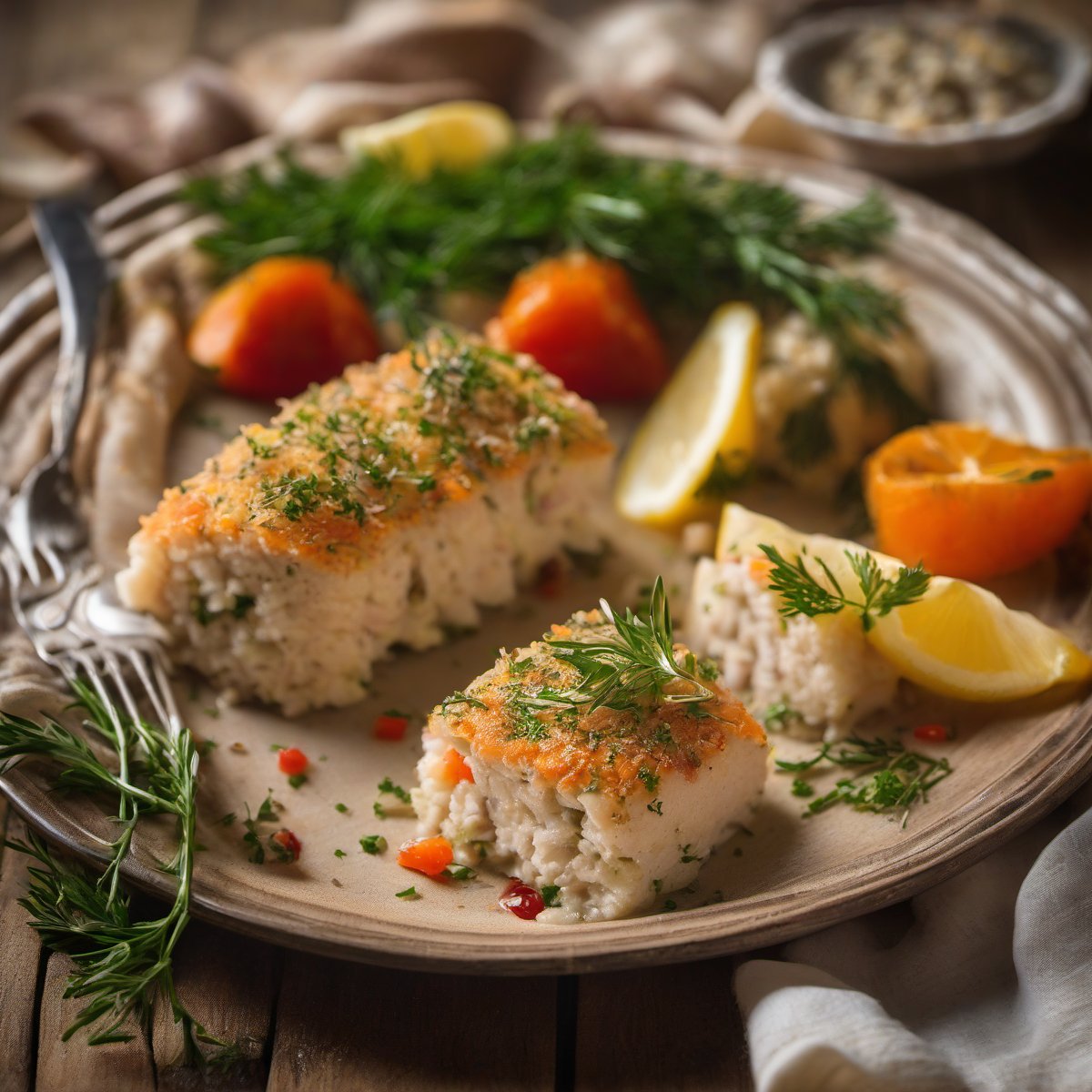
- Serve: Lift each ball out with a slotted spoon and place on a serving platter. Slice into thick rounds (½-inch) and arrange attractively. Garnish with fresh dill or parsley if desired. Serve cold or at room temperature.
- Doneness check: The fishballs are done when they've firmed up significantly from their raw state — about 1¾ to 2 inches in diameter after cooking, compared to the original 3-inch size. They should hold together firmly when lifted and show no translucence in the center when cut open.
Nutrition
Notes
What surprised me was how much I actually enjoy eating it straight from the dish, no horseradish needed. The broth flavors have time to seep in while it chills, so each bite has depth without heaviness. I've kept making batches ever since because once you get past the initial investment of chopping fish and watching the pot, there's hardly any hands-on work — just patience and a good strainer.
One thing that made this recipe stick in my regular rotation: don't skip the egg whites. They give gefilte fish its characteristic lightness without adding extra fat or richness. I learned this after making a batch with only yolks — dense, rich, not bad, but not what I was looking for.