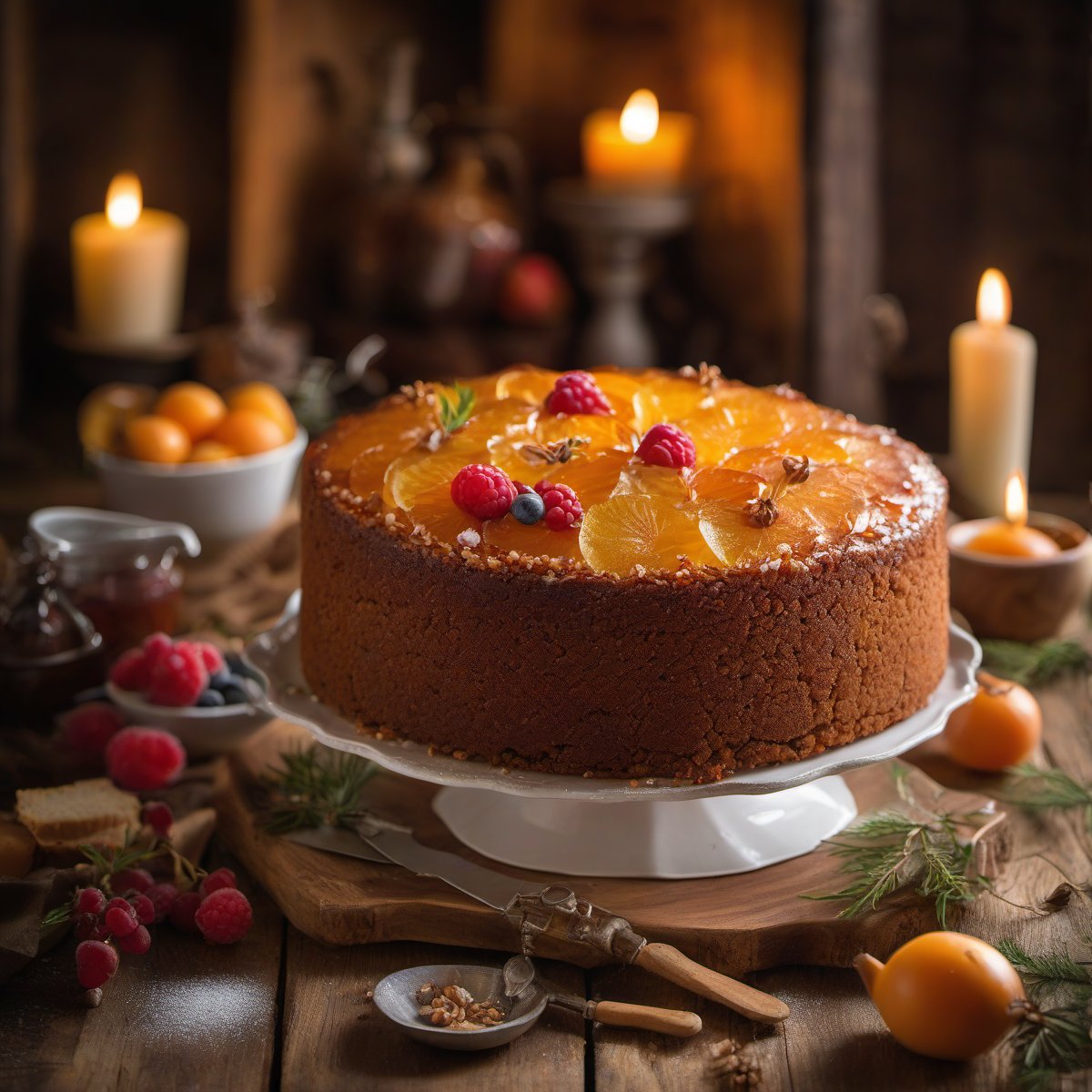
Ingredients
Method
- Preheat your oven to 350°F (175°C). Butter and flour a Bundt pan or loaf pan — I prefer the Bundt for even baking. If using a tube pan, make sure no part is left uncoated; that's where dry spots form.
- In a large bowl, beat the softened butter and sugar together with an electric mixer on medium-high speed until light and fluffy, about 4 minutes. The mixture should look pale yellow and hold soft peaks when you lift the beaters.
- Add eggs one at a time, beating well after each addition before adding the next. This takes patience but prevents curdling — if your batter looks separated, add a tablespoon of flour to bring it back together.
- Mix in vanilla extract and citrus zests until evenly distributed.
- In a separate bowl, whisk together flour, cornstarch, baking powder, and salt.
- Add the dry ingredients to the wet mixture in three batches, alternating with milk, beginning and ending with flour. Mix on low speed just until combined — overmixing at this stage makes a tough cake. The batter should be thick but pourable, not stiff like cookie dough.
- Pour into your prepared pan and smooth the top with a spatula. Bake for 50–60 minutes (or 45–50 minutes for a loaf pan) until the edges pull slightly from the sides of the pan and the top is golden brown.
- Test doneness by inserting a wooden skewer into the center — it should come out with just a few moist crumbs attached, not completely clean. Internal temperature should read about 210°F (99°C).
- Cool in the pan for 15 minutes, then turn out onto a wire rack to cool completely before glazing. A warm cake will melt your glaze right off.
- Whisk together powdered sugar, lemon juice, and salt until smooth. The glaze should be thick enough to coat the back of a spoon but still pourable — add more lemon juice if it's too thick or more sugar if too thin.
- Drizzle glaze over the cooled cake, letting it drip down the sides naturally. Let set for 30 minutes before slicing.
Nutrition
Notes
The secret is in the texture. A good Epiphany Cake should have a fine crumb but stay moist through the center. I learned that lesson the hard way when my first batch came out dry and I nearly threw it away before cooling. Now I know to pull it from the oven the moment a skewer comes back with just a few sticky crumbs clinging to it — not completely clean, which means overbaked.
I serve this with nothing more than powdered sugar dusted lightly on top, though you could certainly add candied orange peel or chopped pistachios if you're feeling fancy. It keeps for three days in an airtight container, and honestly gets better as the flavors settle overnight.